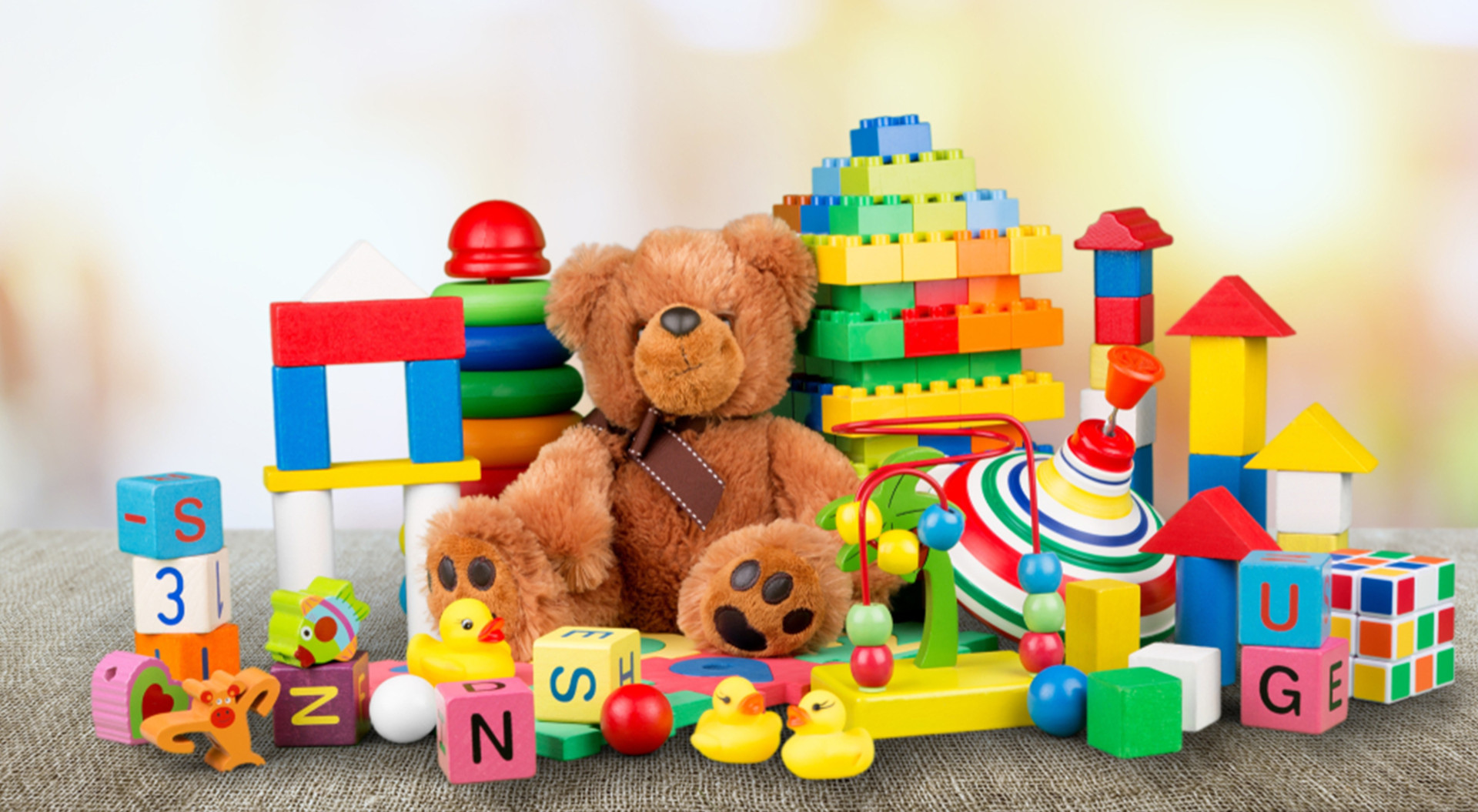
Choosing the right toys for a retail business involves more than finding products that look attractive on store shelves. Retailers need to consider product safety, durability, customer preferences, pricing, and supplier reliability. A carefully selected inventory can help build customer trust, encourage repeat purchases, and support long-term business growth.
Whether you operate a small toy shop, an online store, or a wholesale distribution business, researching suppliers such as TopToyFactory can be one step in identifying potential sourcing opportunities. However, making the right purchasing decisions requires evaluating product quality, understanding your target market, and comparing suppliers based on practical business needs.
Understand Your Target Customers
Before purchasing inventory, identify the customers your business serves. Parents, gift buyers, educators, and collectors often look for different types of toys, so understanding their preferences can help you make more informed buying decisions.
Consider factors such as age groups, popular play activities, educational value, and seasonal demand. For example, younger children may benefit from simple, age-appropriate toys, while older children may prefer building kits, puzzles, and interactive products.
Reviewing customer feedback and previous sales data can also reveal which categories deserve more shelf space. Start with products that match your audience instead of investing heavily in unfamiliar items.
Evaluate Toy Quality and Safety
Product quality should be a priority when choosing toys for resale. Poorly manufactured items can lead to customer complaints, returns, and potential safety concerns that damage a retailer’s reputation.
When assessing products, pay attention to the following factors:
- Materials: Check whether the materials are suitable for the intended age group and use.
- Construction: Look for secure components, smooth edges, and sturdy connections.
- Durability: Consider whether the toy can withstand normal handling and repeated play.
- Packaging: Review age recommendations, warnings, and product information.
- Compliance: Verify that products meet the safety requirements applicable in your selling market.
Request samples when possible before placing a large order. Physical inspection can help identify issues that product photographs and descriptions may not reveal.
Research Suppliers Before Placing Orders
A reliable supplier can make inventory planning and daily operations considerably easier. However, an attractive catalog or competitive price alone does not establish whether a supplier is suitable for your business.
Research the supplier’s business history, communication practices, product range, and ordering policies. Ask clear questions about minimum order quantities, production lead times, shipping arrangements, and procedures for handling damaged or incorrect items.
It is also useful to understand how the supplier manages quality control. Depending on the order size, request relevant product documentation, inspection records, or evidence of compliance with applicable safety standards.
Compare multiple suppliers before committing to a long-term arrangement. This approach helps retailers understand the available options and avoid relying on unverified claims.
Compare Pricing and Total Purchasing Costs
Wholesale pricing is important, but the lowest quoted price does not always offer the best value. Additional expenses can significantly affect the final cost of stocking a product.
When comparing quotations, consider:
- Unit price and minimum order quantity
- Shipping, customs duties, and applicable taxes
- Packaging and labeling expenses
- Payment terms and currency conversion costs
- Potential losses from defective products or returns
Calculate the total landed cost of each item before setting your retail price. This gives you a more realistic picture of your potential profit margin and helps you compare offers on an equal basis.
It is also wise to avoid committing too much capital to a single product category. A balanced inventory can reduce the financial impact of slow-moving stock.
Choose a Balanced Product Range
A successful toy inventory usually combines established favorites with carefully selected new products. Popular categories may provide consistent demand, while distinctive or emerging products can help differentiate your store from competitors.
Consider organizing your range into several categories, such as educational toys, creative activity sets, construction toys, outdoor play products, and games. The right mix will depend on your customers, available storage, and budget.
Seasonality should also influence purchasing decisions. Demand may increase around holidays, birthdays, school breaks, and other gifting occasions. Reviewing historical sales and placing orders early can help reduce the risk of stock shortages.
Rather than ordering large quantities of every new item, test selected products in smaller batches. Use sales performance and customer feedback to decide which items deserve repeat orders.
Assess Inventory and Delivery Reliability
Consistent stock availability matters to both physical retailers and online sellers. A product may attract strong demand, but unreliable replenishment can lead to missed sales and dissatisfied customers.
Ask suppliers about typical processing times, production schedules, and how they communicate delays. For international purchases, consider customs clearance, transportation time, and the possibility of seasonal shipping disruptions.
Maintain a simple inventory tracking system that records stock levels, sales velocity, reorder points, and supplier lead times. This information can help you determine when to replenish popular items without tying up excessive cash in storage.
For larger orders, clarify the inspection and claims process before making payment. Having agreed procedures for shortages, defects, and shipping damage can prevent misunderstandings later.
Build Long-Term Supplier Relationships
A dependable supplier relationship can offer benefits beyond the initial purchase price. Clear communication and consistent ordering practices may help retailers plan promotions, manage replenishment, and respond to changes in demand.
Start by communicating your product requirements and quality expectations in writing. Keep records of quotations, purchase orders, invoices, delivery dates, and any quality issues.
Evaluate supplier performance regularly using practical measures such as on-time delivery, order accuracy, product consistency, and responsiveness. If problems arise, discuss them promptly and document any agreed solutions.
Strong relationships should be built on demonstrated performance rather than promises alone. Retailers should also retain alternative sourcing options to reduce their dependence on a single supplier.
Monitor Market Trends and Customer Feedback
The toy market changes as children’s interests, purchasing habits, and popular entertainment trends evolve. Retailers who monitor these changes can adjust their inventory before products become difficult to sell.
Use customer conversations, online reviews, sales reports, and industry news to identify emerging preferences. Educational play, creative activities, and toys that encourage hands-on learning may appeal to particular customer groups, but demand should always be assessed within your own market.
Pay attention to return reasons and product reviews as well. Repeated complaints about durability, missing parts, or unclear instructions can indicate that a product is not suitable for continued stocking.
Review your product range periodically and remove items that consistently underperform. Data-driven decisions are generally more reliable than purchasing based solely on short-term trends.
Final Thoughts
Finding quality toys for a retail business requires careful supplier research, product evaluation, cost analysis, and inventory planning. Retailers who balance affordability with safety, durability, and customer demand are better positioned to create a dependable shopping experience.
Before placing a substantial order, verify supplier information, inspect samples where possible, and calculate the full cost of bringing products to market. By reviewing performance regularly and maintaining clear supplier relationships, toy retailers can make more confident purchasing decisions and build a sustainable business over time.